The Wild Flower Route
Every year I drag my very patient husband up the coast to go look at flowers. There is a joke that when you turn 30 you suddenly start knowing bird names, but for me I started learning flower names. I’m just a granny at heart.
If you are on the Wild Flower Route road trip, and expecting neat rows of tulips, then you will be disappointed. Wild flowers are wild. They grow when they want (usually related to how wet the winter has been) and they pop up where they want to, and only stay for a couple of weeks. And that’s what makes them special. It’s the difference between seeing a lion in the zoo and seeing one wild.
Highlights
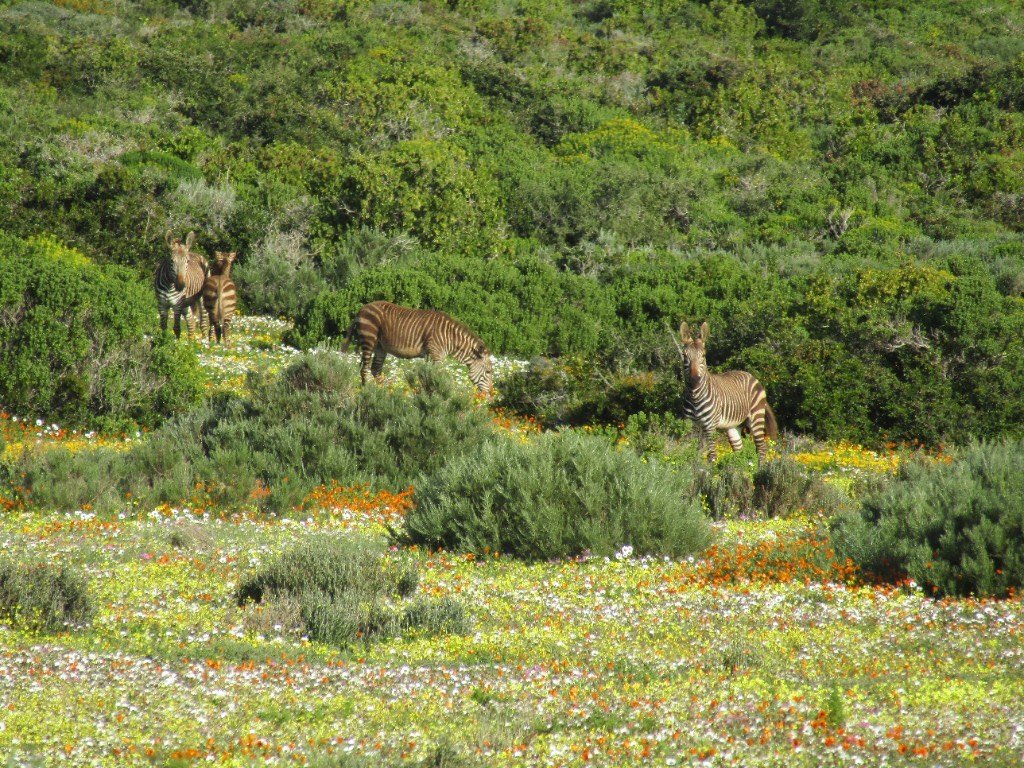
- Watching the zebras and bontebok at Postberg (West Coast National Park) snacking on the grass between the wild flowers
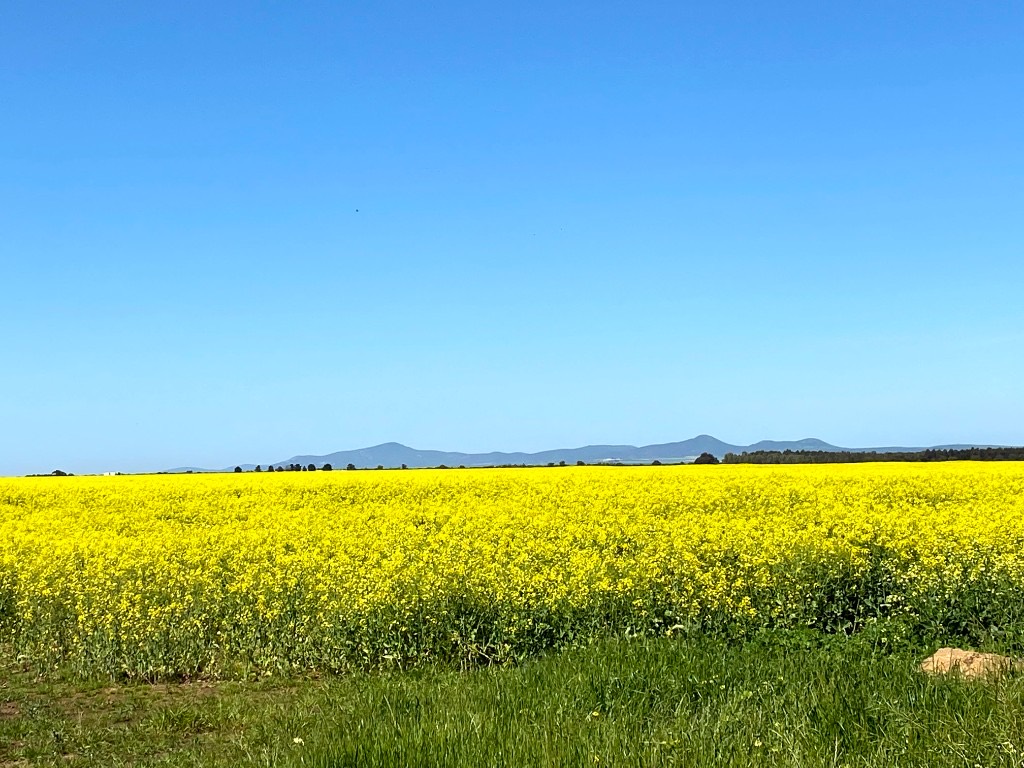
- Hanging out your car window taking photos of canola fields outside of Darling (okay, canola isn’t wild growing, but it is beautiful to see)
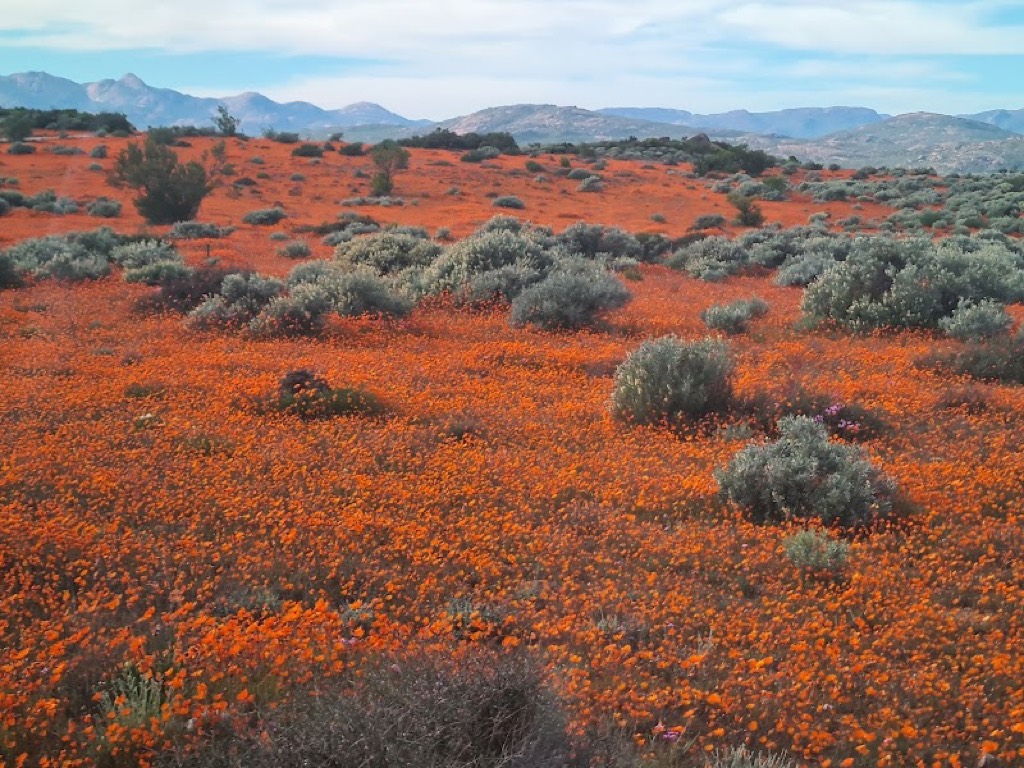
- Stepping out of your car and photographing the orange carpets in the Biedouw Valley
- Gazing out the window as you navigate the Pakhuis Pass
- Eating fresh roosterkoek on the side of the road (on the weekends in flower season, you will see tannies (aunties) on the side of the road in small towns waiting to serve hungry flower spotters)
- Attending a small town flower festival or show
- Seeing carpets of flowers in semi desert
Best times to go
Flowers follow rain, not the calendar. Sometimes you get lucky. Sometimes you drive a long way for fields of brown veld. For a short day trip: check SANParks and local bloom reports. For longer trips, you will need to book accommodation in advance as they fill up quickly.
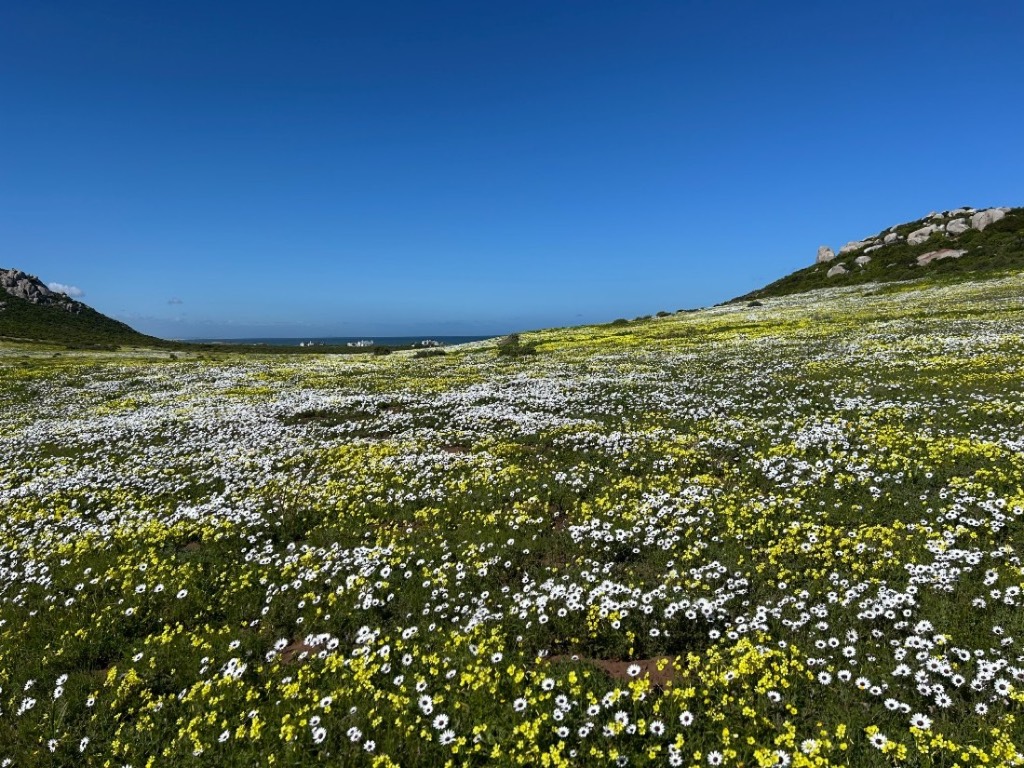
- August/September: Generally, the best time to see flowers. I usually aim to go on the last weekend in August. Note: Postberg, famous for its carpets of daisies and sorrel, is only open in August and September.
- Late July: With rising temperatures, and less rain, flowers are blooming earlier and earlier.
As a rule of thumb, if it is a dry winter, go late July or early August. If it is a wet winter, go late August or early September.
Towns worth lingering in
- Darling: The warm-up act off the R27 — Swartland wheat, a village pub at 1910 The Old Forge, and Evita se Perron if you want theatre with your toffees. Vyge Vallei Estate sits on the flower run with a wineshop and farmstall if you are already thinking about beds.
- Langebaan: Lagoon town and the easiest overnight before West Coast National Park. Coffee at GB Coffee Cafe on Bree Street; the open-air seafood sitting is Die Strandloper. Duck south to Yzerfontein for breakfast at Rosemead Artisan Bakery & Café — a moral requirement if the queue is moving.
- Clanwilliam: Rooibos country and the turn inland. Stock up at Velskoendraai Farmstall on the N7, then take Pakhuis Pass toward the Biedouw Valley when the daisies are on. Enjo Nature Farm is the stay if you want to wake up in the valley instead of driving it as a day trip.
- Nieuwoudtville: The bulb capital, up Vanrhyns Pass from Vanrhynsdorp. Walk the trails at Hantam National Botanical Garden, then eat at Antjie se Eetplek on Voortrekker Street. Oudeklip Guesthouse on Kerk Street is the sandstone base in town.
- Kamieskroon: The northern full stop — granite, quiet streets, and the Skilpad gate into Namaqua National Park. Book dinner at Die Kliphuis on Ou Hoofweg; sleep at Kamieskroon Cosy Cottage if the hotel rooms are gone.
Flower festivals
While not a substitute for the wildness of veld flowers, these little festivals are always quaint and a good way to support local towns. The dates of the festivals change every year, so check before you book.
- Darling Wildflower Show: A community exhibition of West Coast and Swartland flora, usually mid-September at the Darling Club. Go ride a tractor and drink some Darling Brew.
- Clanwilliam Wild Flower Show: Arranged displays in the Flower Church on Main Road, typically late August into early September.
- Stanford in Bloom: An Overberg village festival, usually September, with markets and a Chelsea-style fynbos exhibit. Stanford is not on this N7 flower line, but is a really fun little town to explore.
Flower species
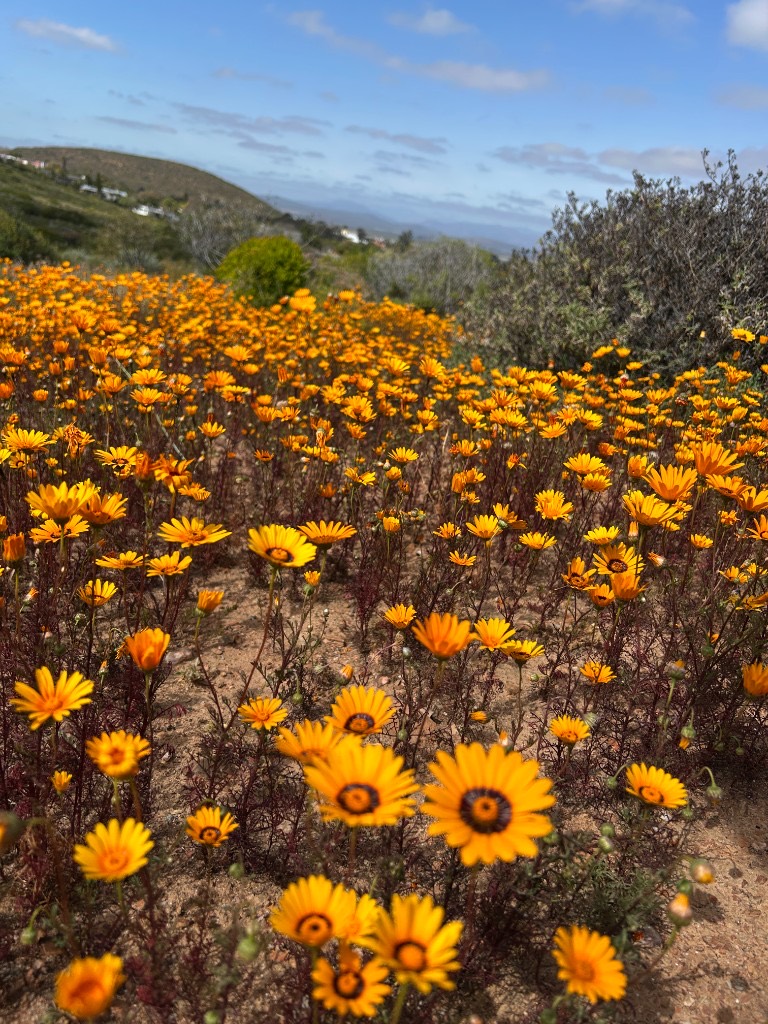
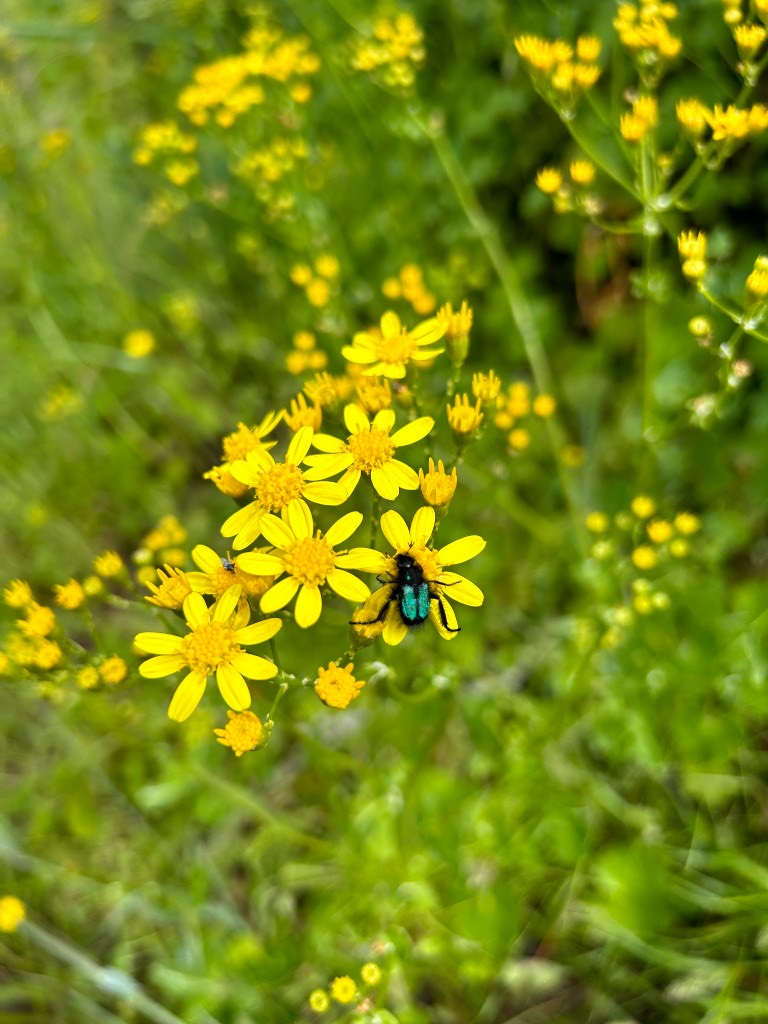
I am not a botanist, I’m just a granny at heart. These are some of my favorites that you can spot along the way.
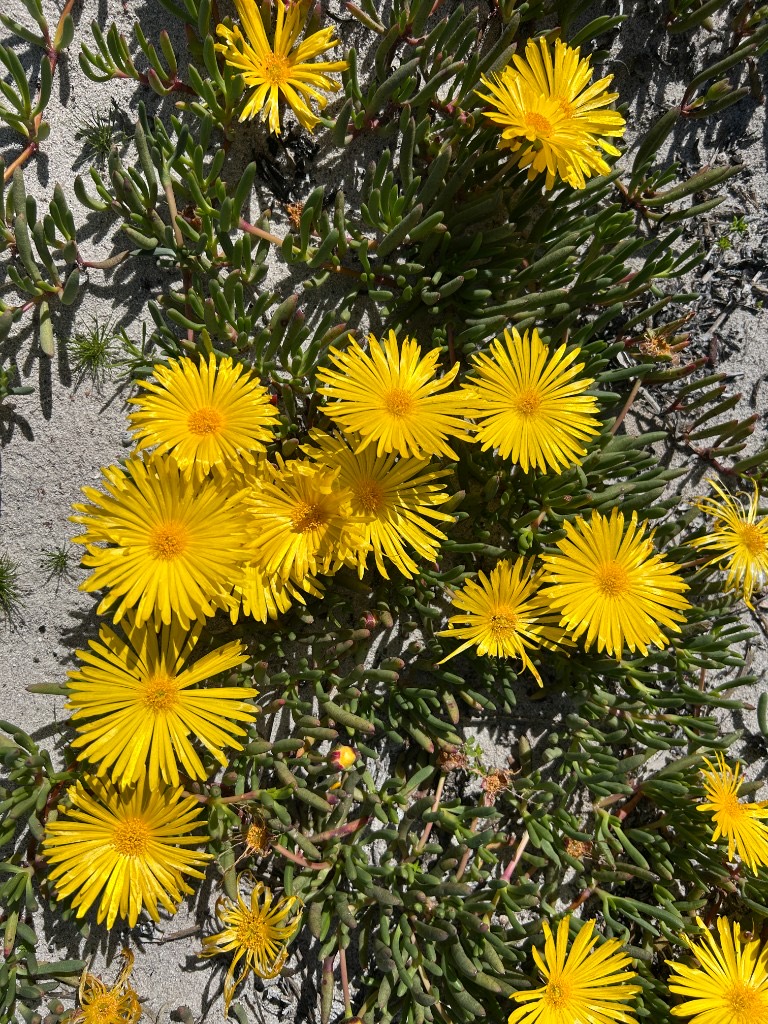
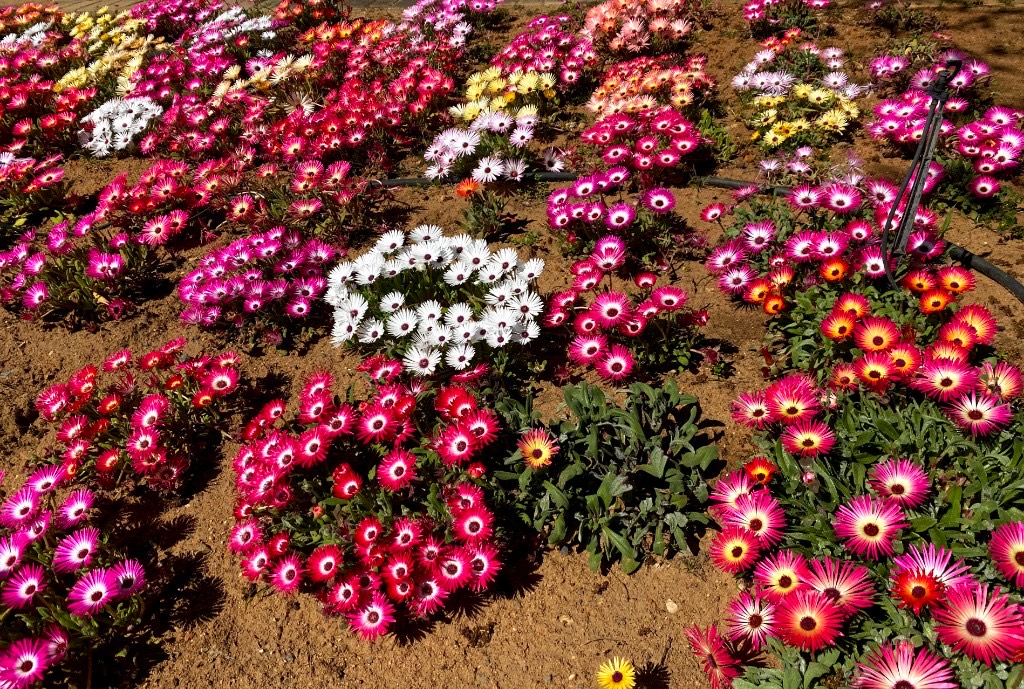
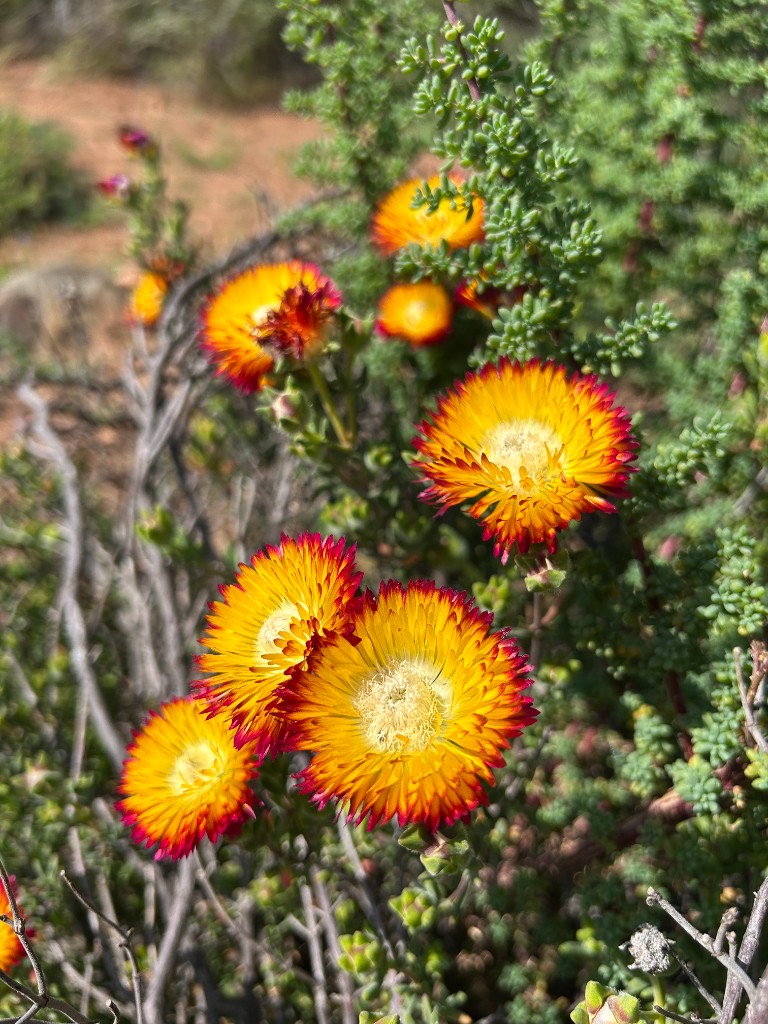
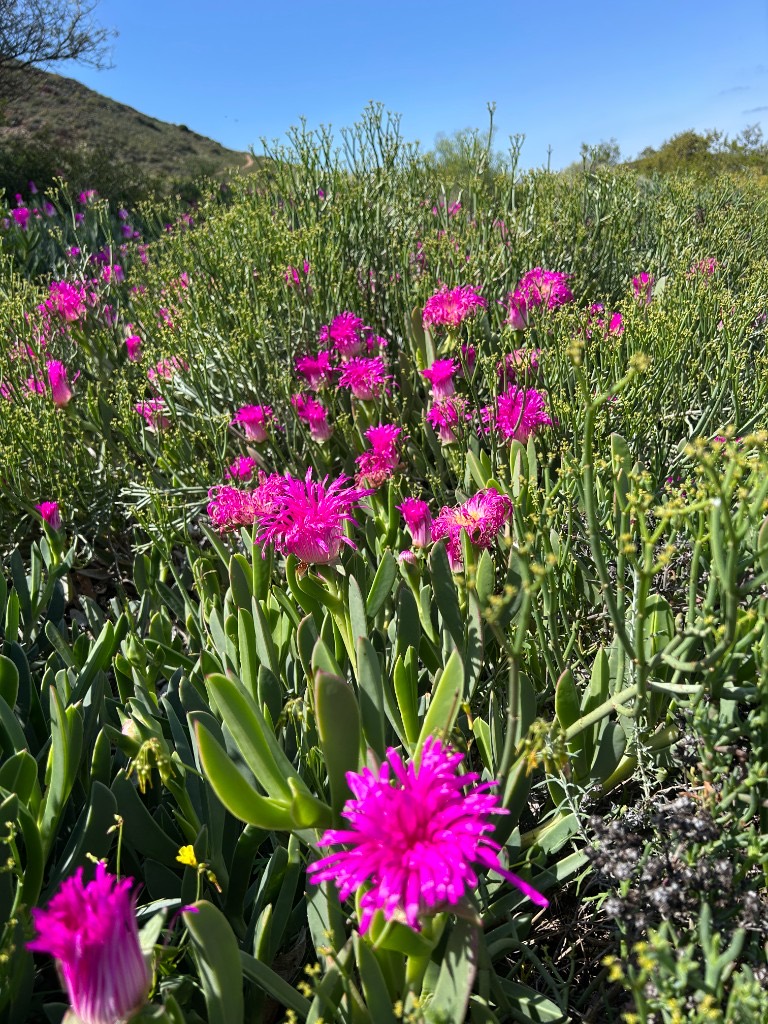
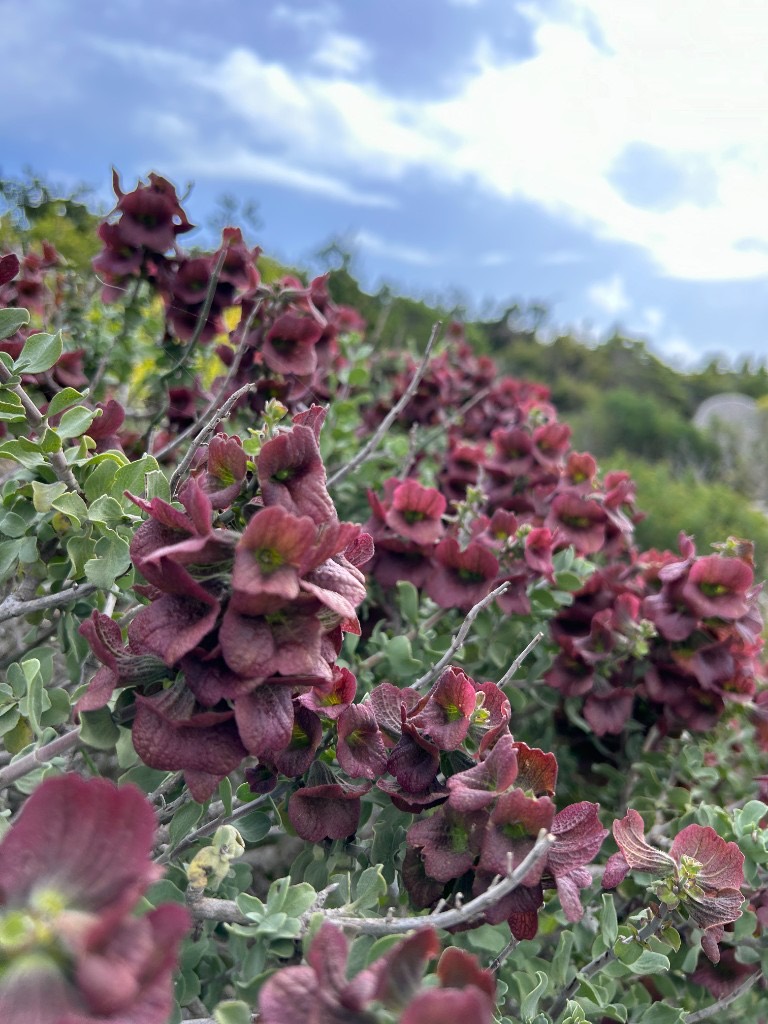
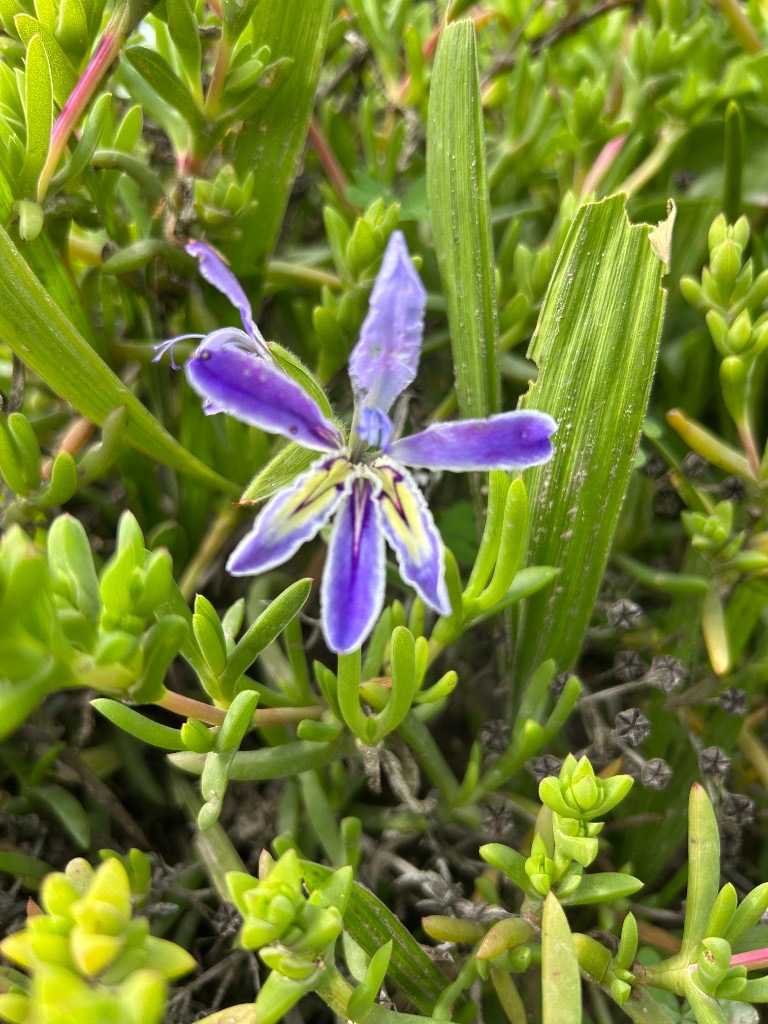
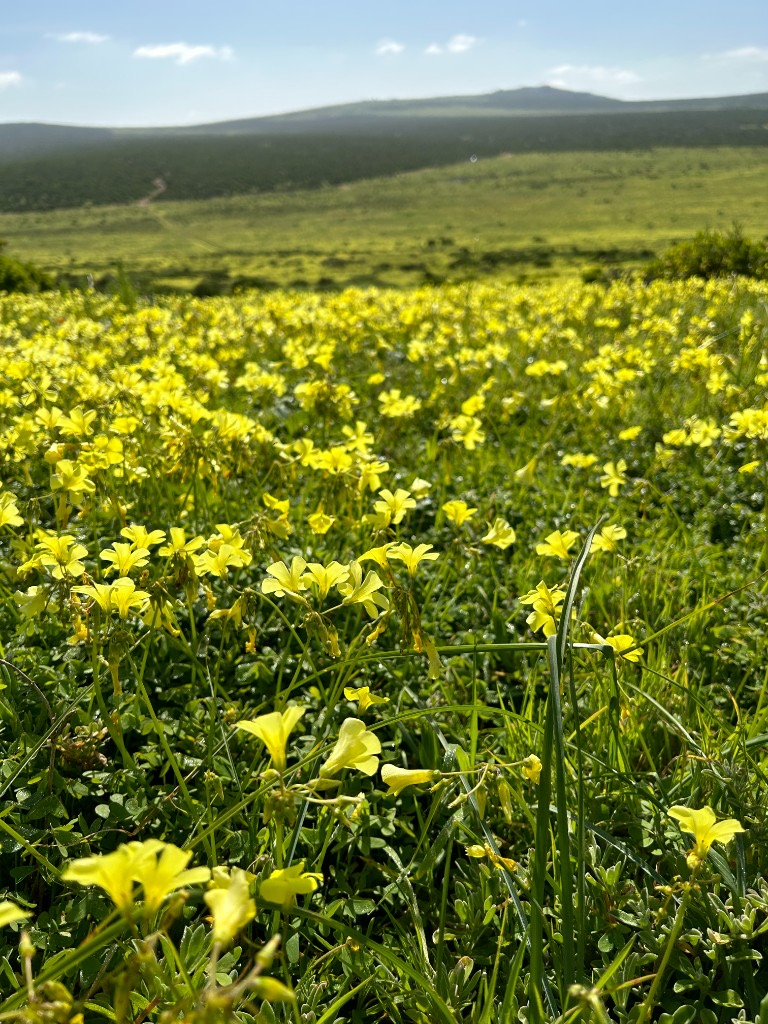
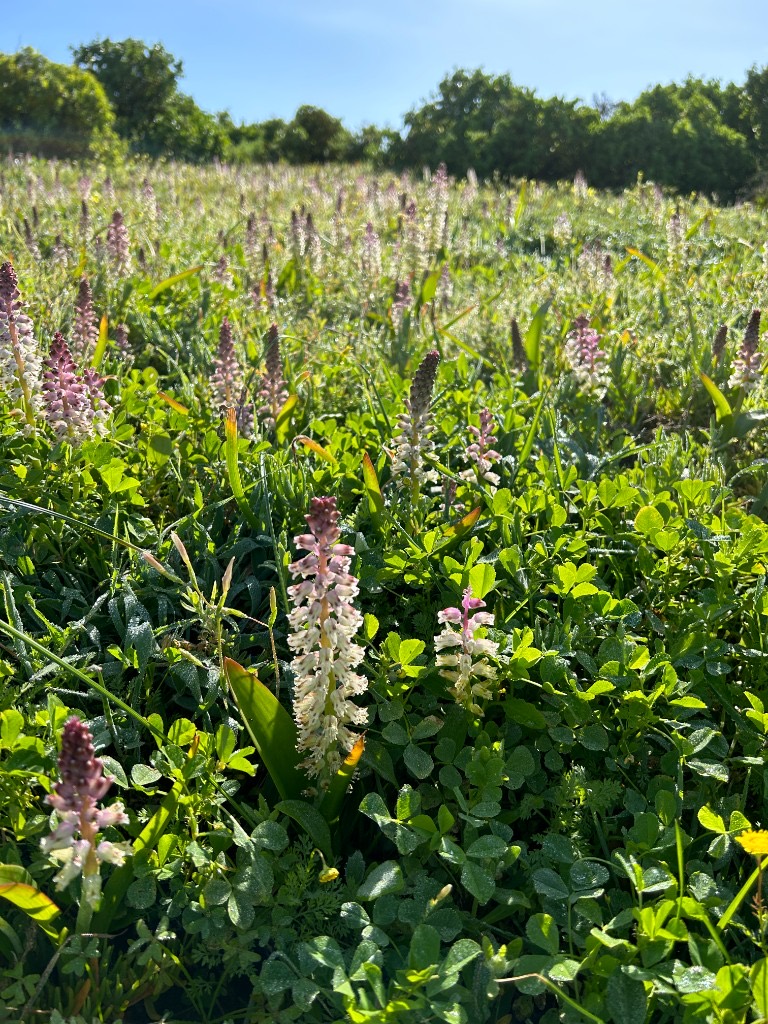
Nature reserves
Here are some of the best places to see wild flowers up close. Note: different gardens and parks may charge a small fee to enter the park.
- West Coast National Park: the closest proper flower day from Cape Town. Postberg only opens in August/September.
- Cape Columbine Nature Reserve: Escape the crowds and head to this small reserve, and then stay over in the romantic little town of Paternoster.
- Nieuwoudtville Wild Flower Reserve: the dense bulb show east of town. Small, specific, and worth the slow walk.
- Namaqua National Park: Skilpad for the easy carpets near Kamieskroon; coastal tracks toward the Groen River if you have clearance and a permit.
- Goegap Nature Reserve: granite koppies outside Springbok if you keep going past Kamieskroon. Endemics and Hartmann’s mountain zebra, not just daisies.
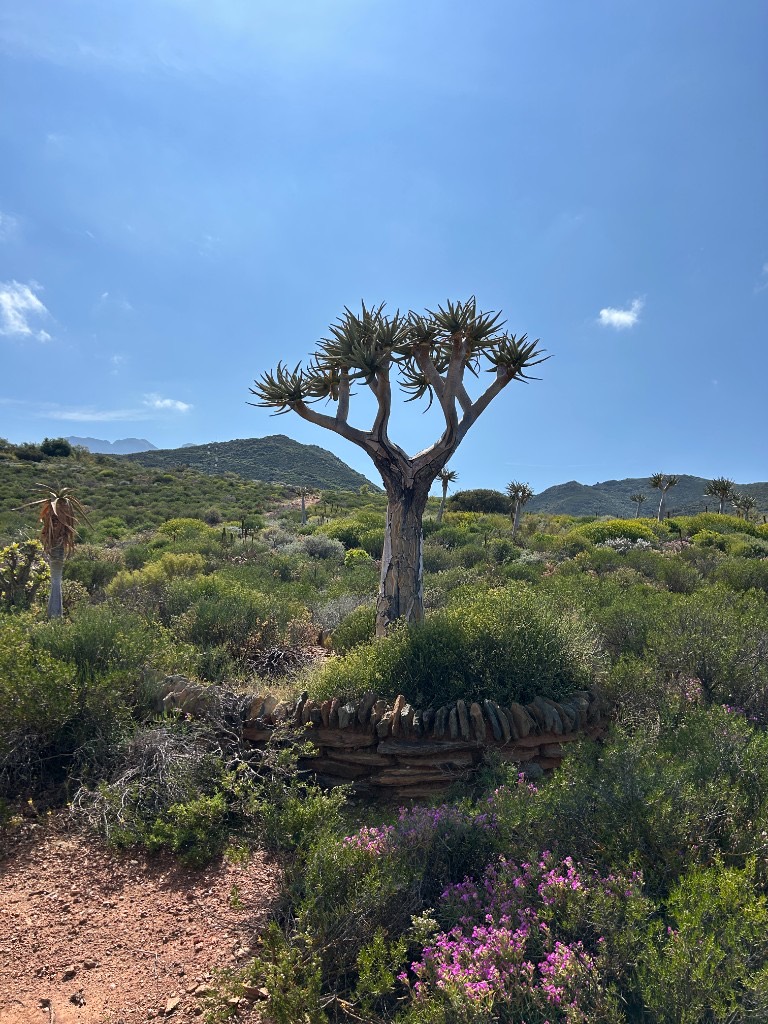
- Gannabos Quiver Tree Forest: east of Nieuwoudtville on the Loeriesfontein road; the largest natural quiver-tree stand in the southern hemisphere.
Other botanical gardens
Hantam is the garden on this route. If you want a proper planted collection rather than a roadside carpet — or you missed the bloom — these are the ones I would add to a different drive.
- Kirstenbosch National Botanical Garden: the Cape Town SANBI garden against Table Mountain; fynbos on purpose, all year.
- Harold Porter National Botanical Garden: Betty’s Bay, coastal fynbos and a waterfall kloof, on the Whale Coast side of the peninsula.
- Karoo Desert National Botanical Garden: Worcester’s succulent garden, useful when you peel inland toward Route 62.
- Babylonstoren: a Cape Dutch farm garden near Franschhoek; not SANBI, but it is the planted-garden day trip if you are still in the Winelands.
- Walter Sisulu National Botanical Garden: waterfall, Witpoortjie, and a nesting pair of Verreaux’s eagles if your road trip is a Gauteng start.
- Pretoria National Botanical Garden: SANBI’s 76 hectares split across a quartzite ridge on Cussonia Avenue.
- Durban Botanic Gardens: Africa’s oldest surviving botanical garden, famous for cycads, if you are already on a KwaZulu-Natal run.
Road trips that fit
Open an interactive map of the Wild Flower Route below, or jump into the planner from the cards at the end of this post.
<p>Interactive map of this road trip.</p>
This is the spring line from Darling and the West Coast park up to Hantam and Namaqua. If you want fishing villages and lagoons without chasing bloom reports, take the classic West Coast. Namaqualand is the N7 desert continuation; Cederberg is the orange-rock detour if the flowers have already packed up.
Practical notes
- Stay on marked roads and viewing tracks. Do not walk into the fields.
- Book beds early in August and September. Nieuwoudtville, Clanwilliam and Kamieskroon fill first.
- Fuel in Clanwilliam, Vanrhynsdorp and Kamieskroon. The pretty gravel bits are not the place to run out of gas.
- Park fees apply at SANParks and SANBI gates; Wild Cards help if you are stacking reserves.
More photos and stops live on the routes themselves — use the planner links when you’re ready to build days around petrol, padstals, and overnight stays.
FAQ
When is wild flower season on this route?
August and September are generally the best months if the winter rain played along. I usually aim for the last weekend in August. Flowers follow rain, not the calendar.
What if it is a dry winter?
Go late July or early August. If it is a wet winter, go late August or early September. Sometimes you drive a long way for brown veld. Check SANParks and local bloom reports before a day trip.
When is Postberg open?
Postberg in West Coast National Park is only open in August and September. It is famous for carpets of daisies and sorrel — and it is the Cape Town-friendly flower day.
Can I walk into the flower fields?
Stay on marked roads and viewing tracks. Do not walk into the fields. Book beds early in August and September; Nieuwoudtville, Clanwilliam and Kamieskroon fill first.