West Coast of South Africa
The best way that I can describe the West Coast of South Africa is rustig. Rustig means relaxed but it also can refer to white washed wood, beached and bleached fishing boats and salty air that rusts away at old cars. I thought it meant 'rusty' until Gr10 Afrikaans taught me otherwise.
The feel of the place
Expect long beaches, salt lagoons, seafood, and big skies. In late winter and early spring the roadside can erupt into colour after rain — but even without flowers, the light and space make the drive worthwhile.
Highlights along the west coast of South Africa
- Bird watching at Rocherpan Nature Reserve
- Try a roosterkoek at Route 27 Roosterkoek
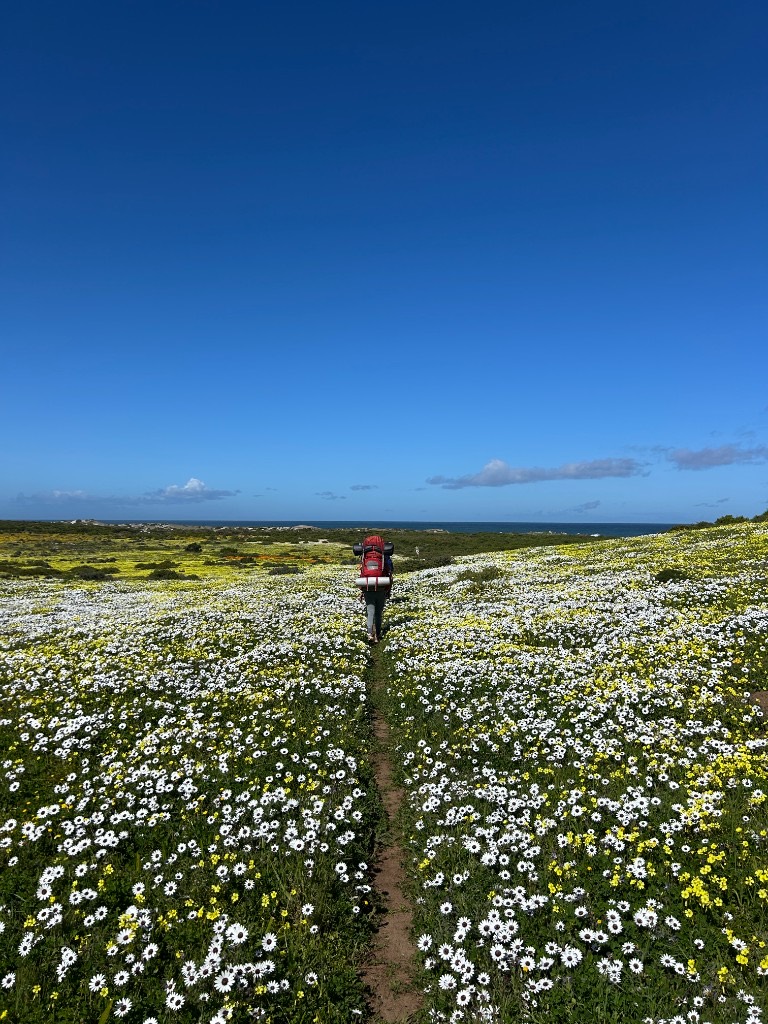
- Take a selfie in a field of flowers
- Take a walk on the beach
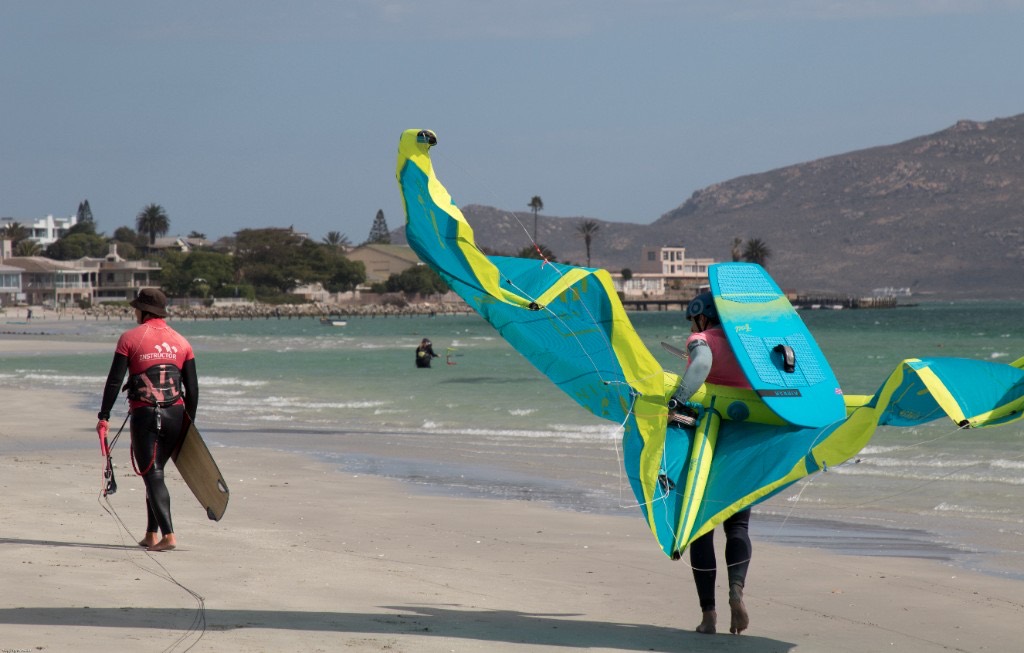
- Learn to kite surf in Langabaan
- Eat freshly caught fish and crayfish
- Dare your friends to try a bokkom
- Go kayaking in the lagoon
Our favorite West Coast towns
- Yzerfontein: Closest proper beach town north of Cape Town; seals, dunes, and a straight shot back to the city. It is a moral sin to visit this town without checking out Rosemead Artisan Bakery & Café.
- Langebaan — As a teenager, I spent every summer holiday in this little town. It is a dream for water sport lovers as it sits along the coast of a large lagoon. It is also easy to get into the West Coast National Park, which is a must visit in August/September when the flowers are in bloom.
- Paternoster: This is a very romantic little town, with white washed walls and great seafood. The harbour area boasts some fun galleries and eclectic stores. And if that isn't your thing, enjoy some traditional sea food at De See Kat.
- Elands Bay: Elands bay is beloved by South African surfers. Pack your wetsuit and board, and head to beach.
Best times to go
- August/September: If you love flowers, the West Coast National Park is a must visit.
- December/January: South Africans love a summer holiday, and if you don't mind the busy roads, then you can watch these sleepy towns come to life for a few weeks of the year.
The West Coast Stretch
While the West Coast technically stretches from Blouberg to Alexander Bay, I think of it as running from Yzerfontein to Lambert's Bay, since they are all connected by the coastal R27. For most of the year, these are sleepy little holiday towns—until December, when crowds of city slickers escape to the sea.
<p>Interactive map of this road trip.</p>
Yzerfontein
I visit this little holiday town often as it is so close to Cape Town. Check out Rosemead Artisan Bakery & Café.
Langebaan
I spent most of my holidays as a teenager in this kite surfer’s paradise. Even if kite surfing isn’t your thing, you can always kayak or swim in this warm lagoon which is across from West Coast National Park. On a Friday night, Pearly’s is a favorite with the locals for some pub food. But if you want more traditional west coast dining, go to Die Strandloper and open air seafood experience.
Saldanha
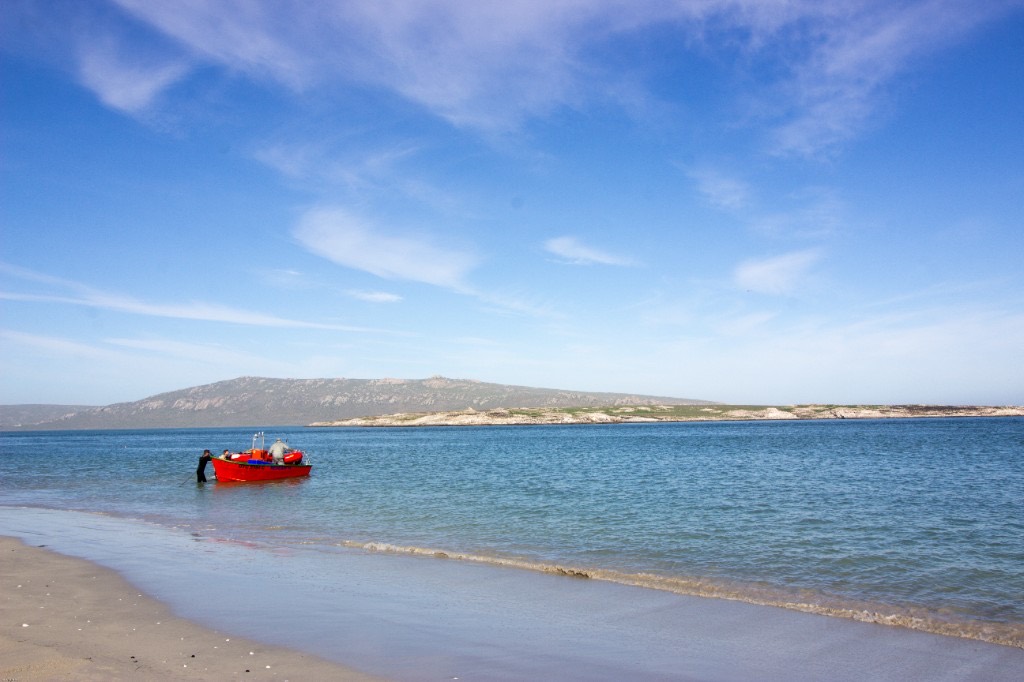
This is a ‘not pretty’ working town, but is still worth for a drive through. I do enjoy a coffee at the Saldanha Bay Hotel overlooking the bay.
Paternoster
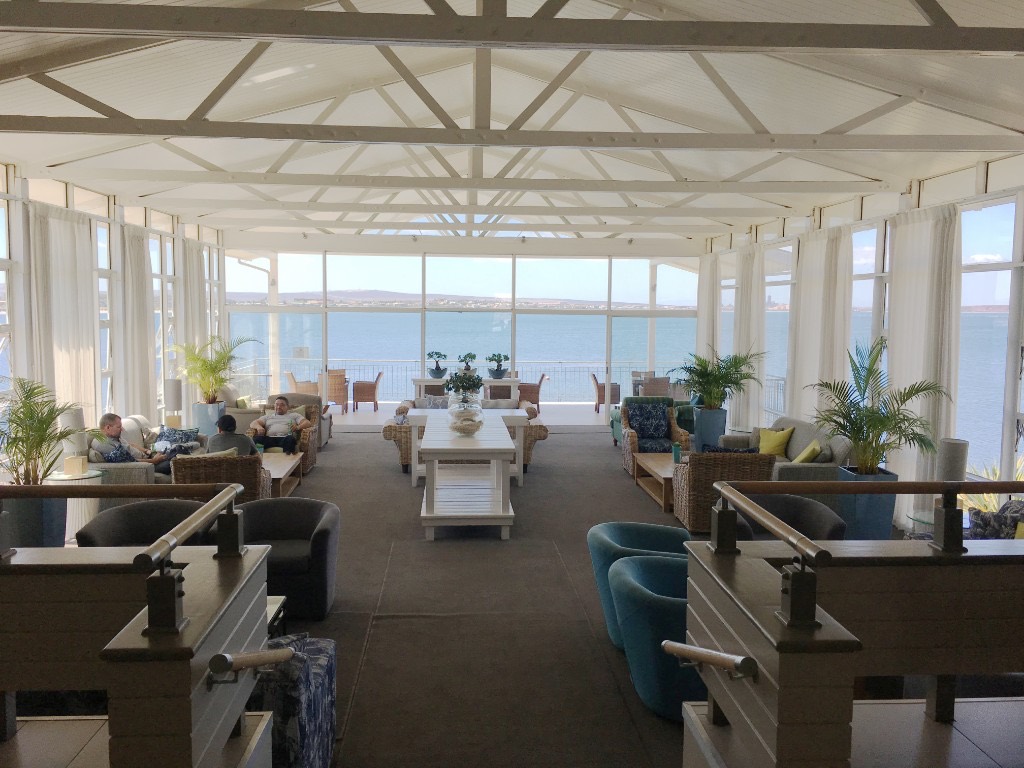
This is the most romantic town on the west coast. White washed cottages, a quaint functional harbour, arts and crafts at the Groot Paternoster Padstal, and fancy restaurants along the harbours edge. An ideal spot for a romantic weekend away.
Velddrif
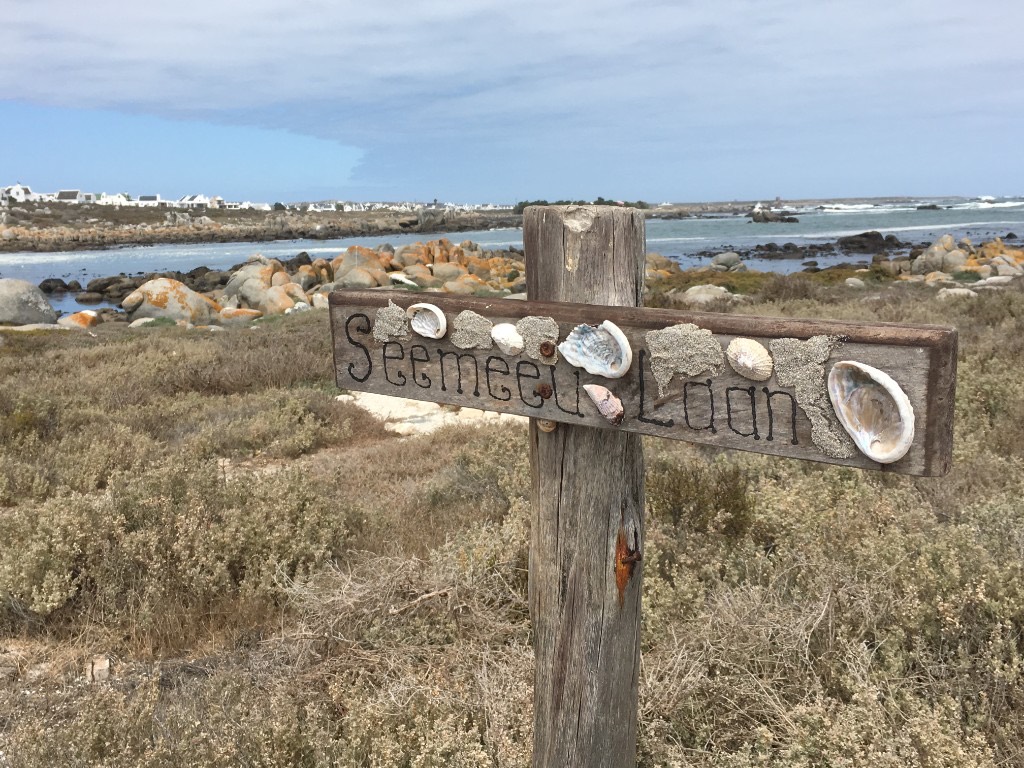
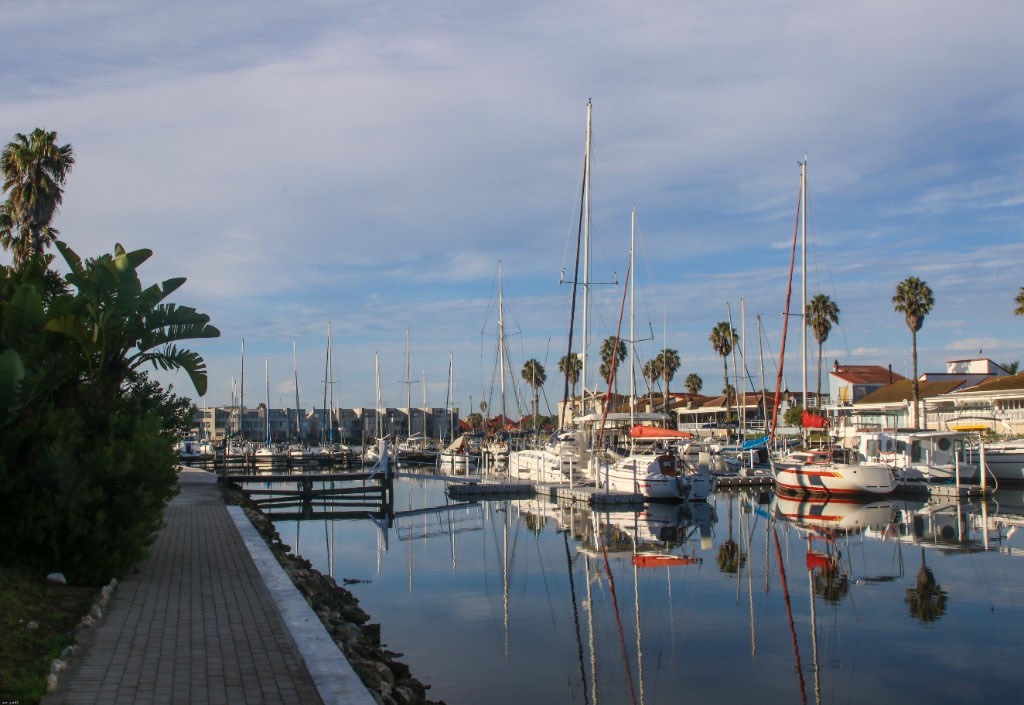
Welcome to Bokkom country, you will see these salty mullet snacks hung up and drying along the side of the berg river. But there is more to Velddrif than just fish! Because of the estuary, it’s a bird watchers paradise, and if that isn’t enough to meet your bird-watching dreams, ‘all aboard’ the Cracklin Rosie for a bird tour up the Berg River. Check out, the sailboats and yachts moored in still water at Port Owen marina, with palm trees and holiday flats reflected in the harbour.
Elands Bay
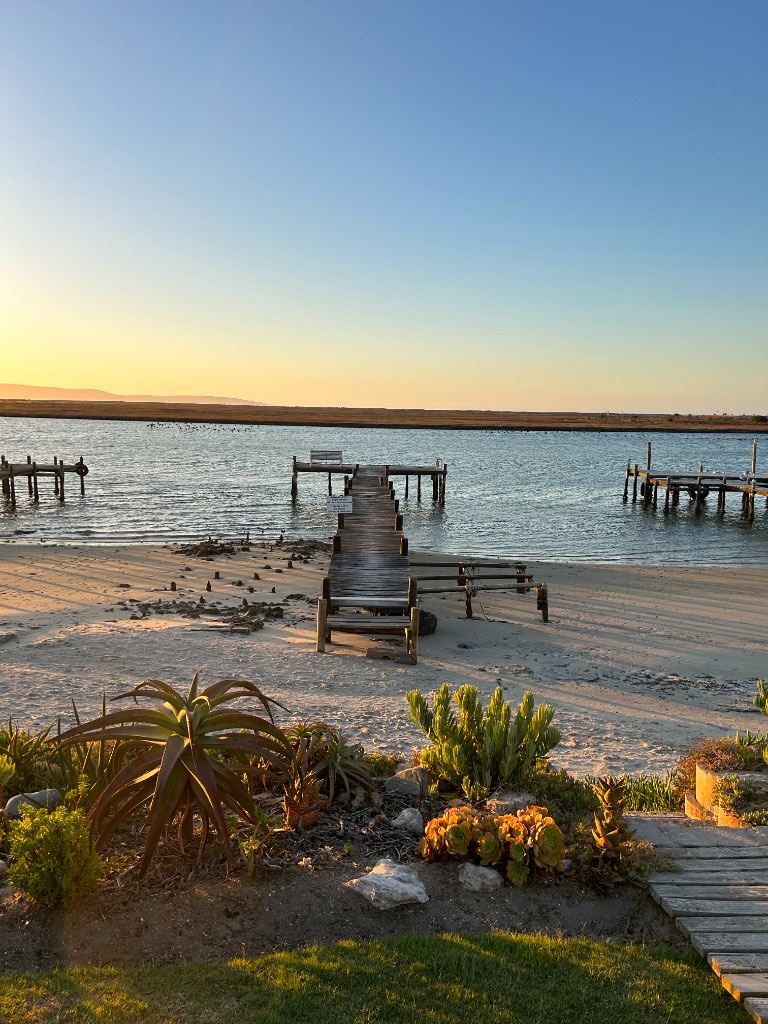
This is the surf stop on the stretch. Pack the wetsuit and go to the beach. Verlorenvlei sits just inland if you would rather watch birds than get dumped, and Wit Mossel Pot on Hunter Street is the plate after.
Lambert’s Bay
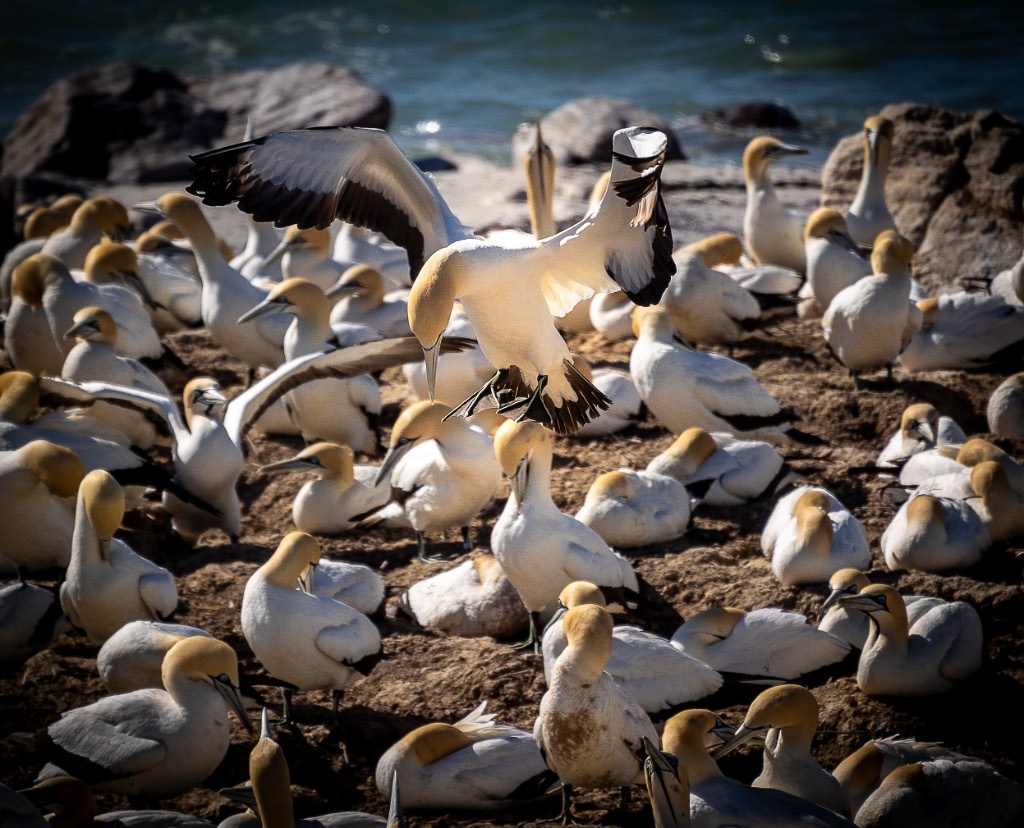
Walk the breakwater to Lambert’s Bay Bird Island Nature Reserve — Cape gannets, cormorants, seals, loud and fishy, the only colony you can visit on foot. Muisbosskerm is the open-air West Coast table just south of town; plan lunch around it if you can. And if you are in the mood for cake, head on over to The Mad Hatter.
The Diamond Coast Stretch
These towns grew up around the diamond boom with abandoned company gates, hostels, and whole settlements that were never meant to be pretty. It’s a lonely stretch of coast land that is beautiful in its barrenness.
Mining companies have done a lot of damage on this coast, but there is a dedicated group of people trying to rewild the area. If you are interested, check out Protect the West Coast.
<p>Interactive map of this road trip.</p>
Doringbaai
While not a diamond town technically, it is the start of our journey. The Jetty Restaurant at Fryer’s Cove is a beautiful lunch stop. Doringbaai translates to “thorny beach.”
Hondeklipbaai
Check out the Aristea shipwreck, then eat at Rooi Spinnekop. Hondeklipbaai means “dog rock beach,” so tell me, does the famous rock look like a dog to you?
Kleinzee
Former diamond-mining town that went quiet when the gates closed. Walk the beaches, dunes, and the Kleinzee Museum. For fun, look at all the odd spelling of the street names.
Port Nolloth
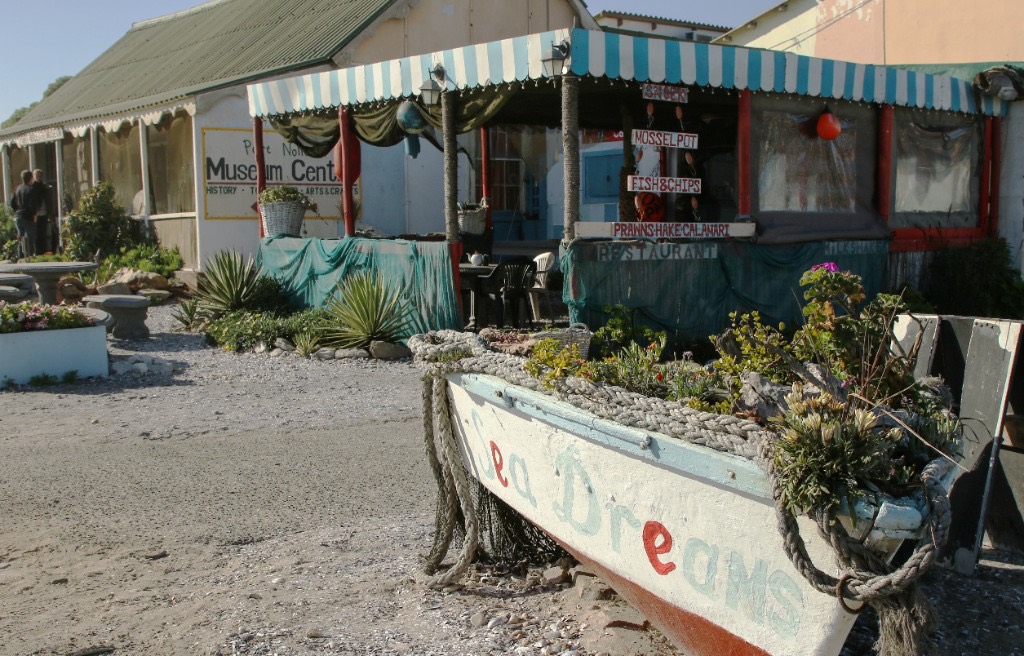
Port Nolloth was once a copper harbour that became a diamond-diving town. Walk to McDougalls Bay just south if you want calm water. The Port Nolloth Museum is worth exploring for twenty minutes but check the schedule first.
Alexander Bay
You have arrived at the end of the West Coast road, where the Orange River meets the Atlantic. There is very little left here except history. Wetlands, lichens, and that closed-mine quiet.
If you can join a Living Museum & mine tour, do it, and leave time for the Orange River Mouth Ramsar wetland before you turn around. I am also told that nearby is the largest desert lichen in the world, although I don’t know if that is true.
NOTE: There is nothing here, please fill up with fuel and take a snack before you drive this far.
Flower season on the West Coast
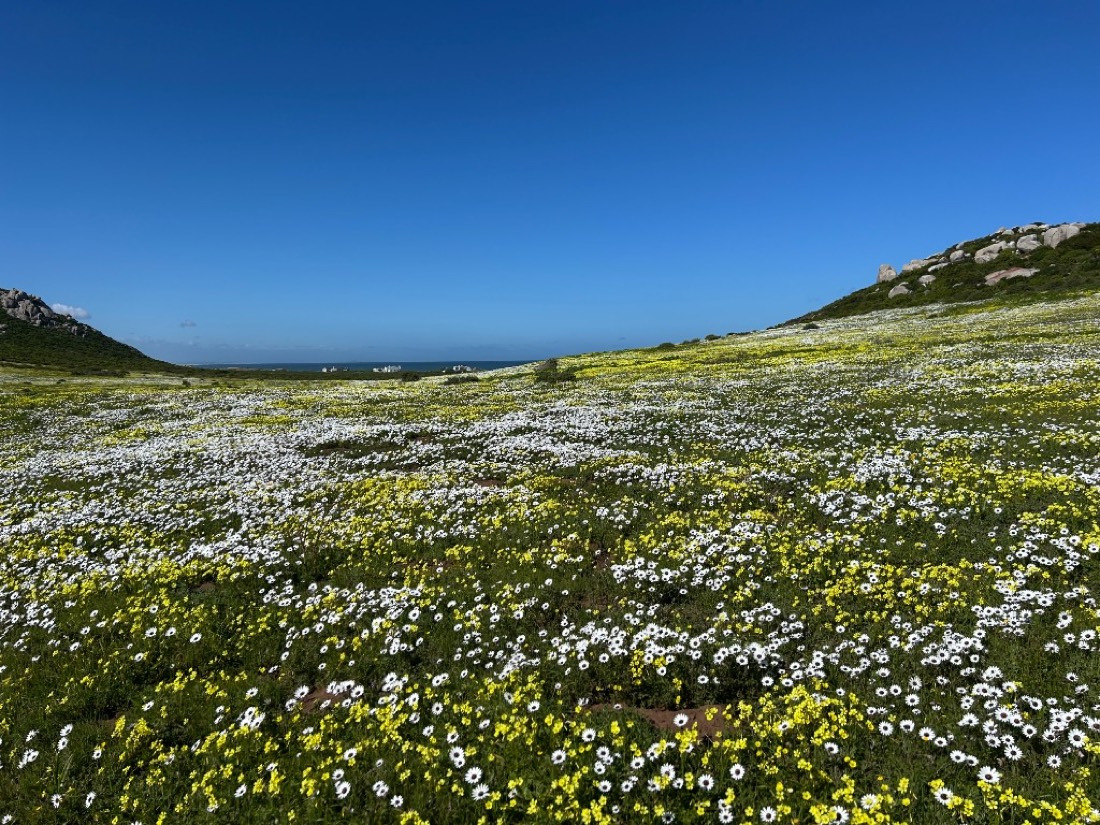
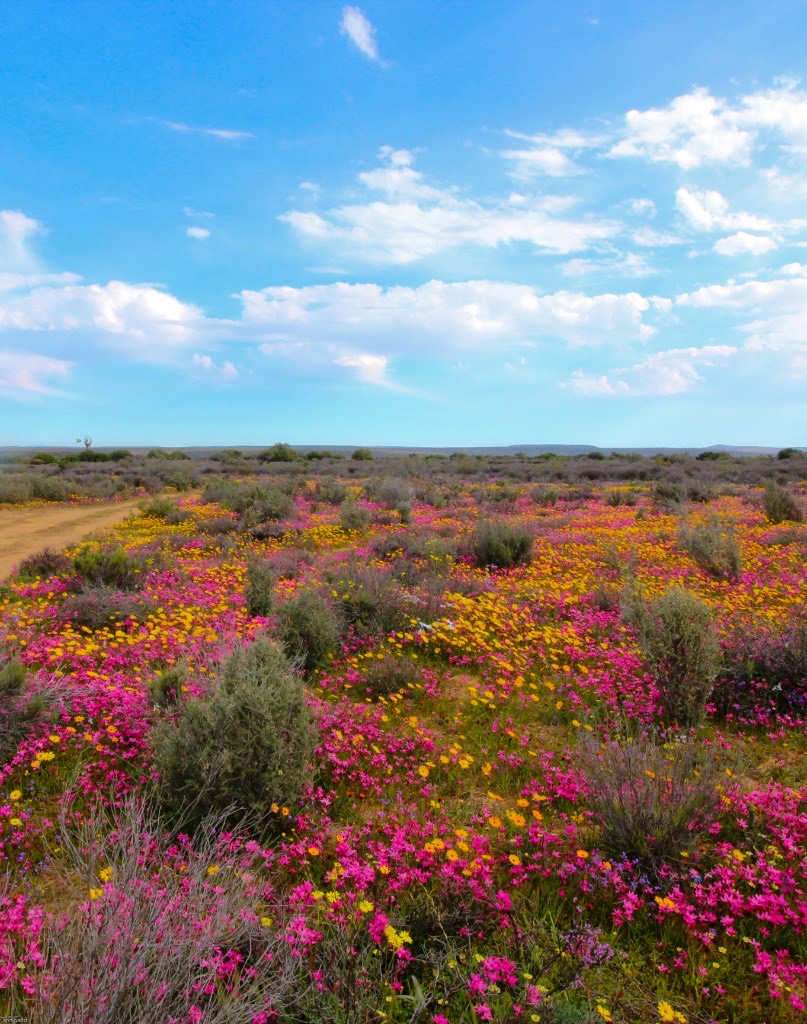
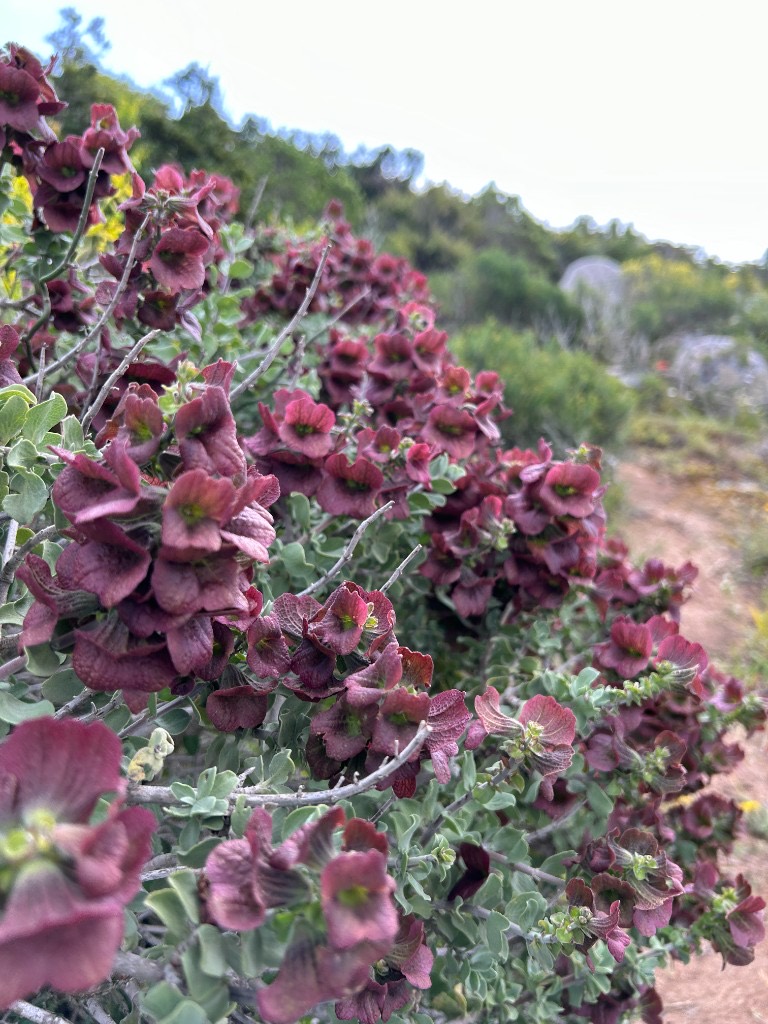
After a wet winter the West Coast turns into rolling fields of flowers for a few weeks every year, the peak is usually August and September, and it moves with the rain. Check forecasts, go on a still sunny morning, and do not walk into the fields.
- West Coast National Park — the closest big show to Cape Town; the Postberg section only opens in flower season, so time the trip for August/September.
- Hondeklipbaai — if you are already on the Diamond Coast, the same winter rain can light up the dunes and shoreline around the village.
Bird watching on the West Coast
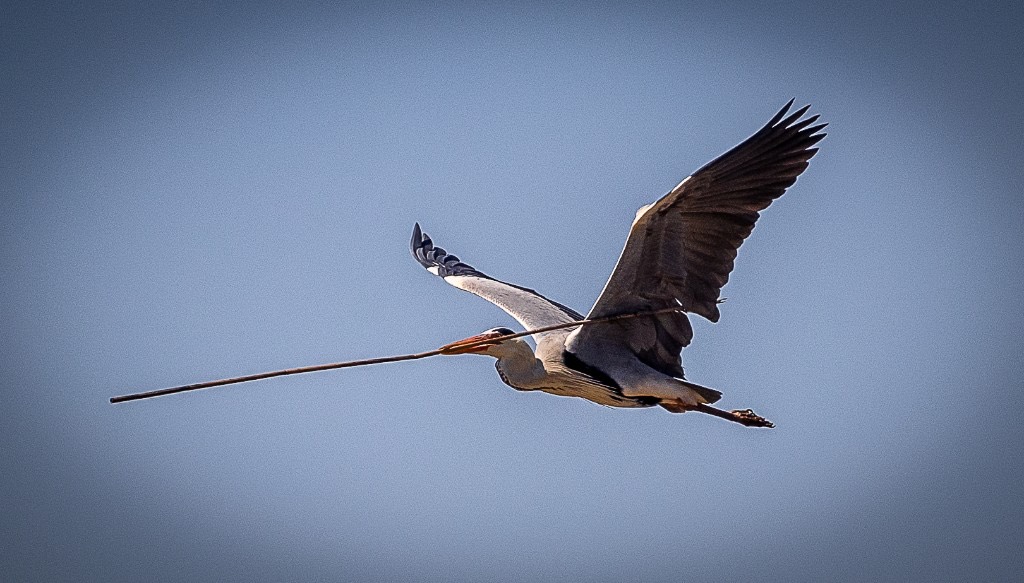
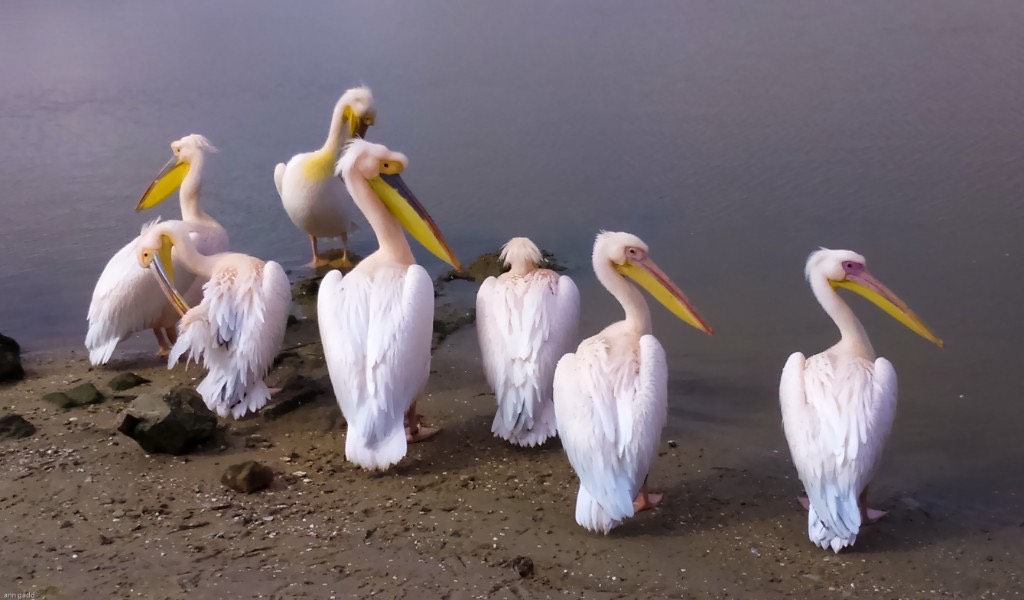
This coast is a proper birding road, not a side quest. Langebaan Lagoon, the Berg River mouth and a handful of CapeNature reserves are where coastal birds roost. Bring binoculars, go early, and expect wind.
- Rocherpan Nature Reserve — a CapeNature pan just off the R27. From the hides, you can watch waterbirds, and you can sleep in the eco cabins if you want the dawn chorus without a dawn drive.
- Velddrif / the Berg River estuary — bokkom town on a Ramsar wetland. The mudflats and salt marshes around Velddrif and Laaiplek are one of the West Coast’s best wader watches; CapeNature helps manage the estuary with the municipality. Take a cruise up the river on the Cracklin Rosie.
- Lambert’s Bay Bird Island Nature Reserve — walk the breakwater to the only Cape gannet colony you can visit on foot. Cormorants and seals share the rocks; it is loud, fishy, and unforgettable.
- West Coast National Park — Langebaan Lagoon is a Ramsar site inside the park. Geelbek and Seeberg are the usual hides; flamingos on the salt pan if the water is right.
- Verlorenvlei — another Ramsar wetland, inland of Elands Bay.
- Orange River Mouth — if you continue onto the Diamond Coast, this Ramsar estuary at Alexander Bay is a last, strange meeting of river, desert and migratory waterbirds.
4x4ing on the West Coast
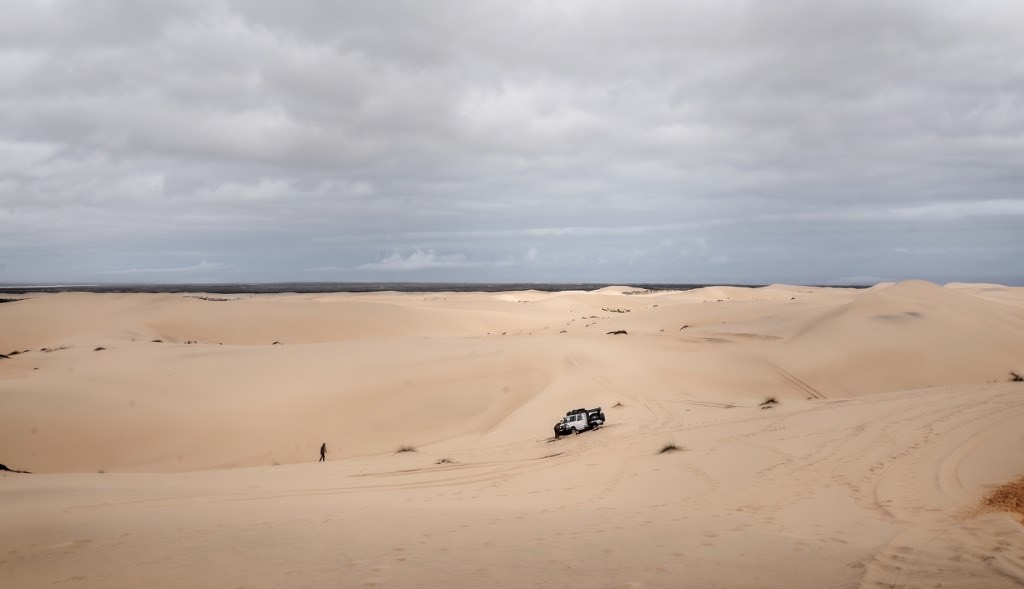
The R27 itself is tar and polite. The interesting driving starts when you leave it: sandy tracks to the sea, corrugated diamond-coast gravel, and a few reserves that actually want a bakkie with low range. High clearance helps; recovery gear and a tide table help more. Stay on marked routes, the strandveld does not grow back if you make your own.
- Namaqua National Park — SANParks’ proper West Coast 4x4 country. The Skilpad section is easy; the coastal tracks toward the Groen River are the ones that earn the dust on the dashboard. Permits and gate times apply.
- Hondeklipbaai to Kleinzee — the Dusty Diamond Coast gravel: corrugated, sandy in patches, and empty. This is the stretch that still feels like a mining concession. Fuel in Port Nolloth; do not assume every “road” on the map is public.
Walks and hikes on the West Coast
This is not Drakensberg country. Walks here are lagoon boardwalks, strandveld loops, lighthouse tracks and the odd kloof inland. Wind is the real elevation. Carry water, a hat, and something that will stay on your head.
- West Coast National Park — Seeberg and Geelbek for easy bird-and-lagoon walking; the Postberg wildflower trails only run in season. Kraalbaai is the postcard stroll if you just want the water.
- !Khwa ttu — guided San-culture trails on the R27; more story than summit, and worth the hour.
- Rocherpan Nature Reserve — short paths between hides and the pan; bring binoculars more than boots.
- Cape Columbine — lighthouse and granite shoreline walks out of Tietiesbaai / Paternoster, with the Atlantic doing the soundtrack.
- Lambert’s Bay Bird Island — a short breakwater walk to the gannets; not a hike, but the best 400 metres on the coast.
- Hondeklipbaai — lighthouse, beach, and the Aristea wreck if you like a grim little coastal ramble.
- McDougalls Bay — easy shore walking and lagoon edges just south of Port Nolloth.
Food of the West Coast
This coast eats with its hands and its salt. Seafood lovers, you are in luck!
- Bokkoms in Velddrif — the dried mullet that defines the Berg River. Buy them at Velddrif Fisheries & Padstal with smoked fish and West Coast jams; try one once, properly.
- Open-air seafood — Die Strandloper outside Langebaan, Muisbosskerm south of Lambert’s Bay, and De See Kat in Paternoster for the whitewashed-village version.
- Paternoster harbour plates — Ek En Djy Vissery on the beachfront, Noisy Oyster and Gaaitjie if you want more than one sitting.
- Roadside roosterkoek at Roosterkoek Route 27 — the correct petrol-stop food on this stretch. Roosterkoek is a sandwich made over the fire, usually drawing in jam and cheese.
- Padstal stocking-up — sea salt and fynbos honey at Groot Paternoster Padstal; cheese at Kokerboom Kaas in Velddrif.
- Elands Bay after surf — Wit Mossel Pot on Hunter Street.
- Diamond Coast tables — The Jetty at Fryer’s Cove in Doringbaai, and Rooi Spinnekop if you are overnighting in Hondeklipbaai.
Nature reserves and parks of the West Coast
The West Coast’s protected bits are lagoons, pans, gannet rocks and Succulent Karoo, not big-five bush. Gate times matter; flower season doubles the queues at West Coast National Park.
- West Coast National Park — Langebaan Lagoon (Ramsar), Postberg flowers in season, Geelbek and Seeberg hides. The closest proper park day from Cape Town.
- Rocherpan Nature Reserve — CapeNature pan on the R27; birds first, eco cabins if you want to sleep next to the dawn chorus.
- Lambert’s Bay Bird Island Nature Reserve — the only Cape gannet colony you can walk to.
- Cape Columbine Nature Reserve — granite headland and Tietiesbaai wild camping west of Paternoster.
- Namaqua National Park — Skilpad flowers near Kamieskroon, plus coastal tracks toward the Groen River when you want more than the R27.
- Goegap Nature Reserve — granite koppies outside Springbok and the Hester Malan wildflower garden.
- Hantam National Botanical Garden — Nieuwoudtville’s SANBI garden if you peel inland for bulbs.
- Orange River Mouth — Ramsar wetland at Alexander Bay where river, desert and migratory birds meet.
- !Khwa ttu — not a park, but the San culture reserve on the R27 is the right stop before the coast goes rustig.
Practical notes
- The Atlantic is cold — lagoon towns are kinder for swimming.
- Wind is part of the deal; pack a layer even on sunny days.
- Check park gates and flower forecasts before a Postberg detour in season.
More photos and stops live on the routes themselves — use the planner links when you’re ready to build days around petrol, padstals, and overnight stays.
Road trips that fit
The two maps above are the West Coast as I drive it: the classic stretch, then the dusty diamond continuation. If you are chasing flowers inland, pair this with the Wild Flower Route or Namaqualand. For oddball stops closer to Cape Town, open the Quirky West Coast. For a coastal loop closer to Cape Town’s south peninsula energy, Whale Coast is the contrast piece. Route 62 is the quirky Karoo if you want to peel inland.
FAQ
When is the best time to visit the West Coast?
August and September if you want flowers at West Coast National Park. December and January if you want sleepy towns to wake up for summer holiday — and you do not mind busier roads.
Is the Atlantic good for swimming?
It is cold. Lagoon towns are kinder for a swim than the open ocean.
When does Postberg open?
Postberg only opens in flower season, inside West Coast National Park. Check park gates and bloom reports before you detour.
Do I need a 4x4 on the West Coast?
The R27 itself is tar. High clearance helps when you leave it for sandy tracks, diamond-coast gravel, or reserve roads. Namaqua’s coastal tracks and the Hondeklipbaai–Kleinzee stretch are the ones that earn the dust.